Conventional PCB prototyping methods like chemical etching and outsourcing require an elaborate fabrication time and have limitations regarding batch fabrication. Furthermore, since effective and efficient design almost always require multiple iterations, it is almost impossible to rely on these methods all the time. To overcome these constraints related to electronic design process, Design and Prototyping Laboratory has adopted in-house PCB prototyping solutions.
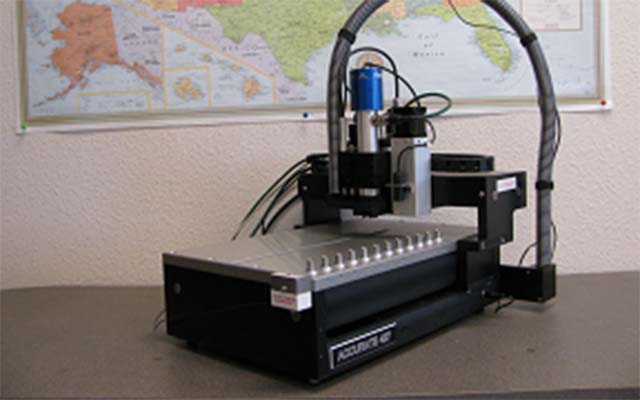
Accurate CNC A437 Automated PCB Prototyping Machine
Accurate CNC A437 Automated PCB Prototyping Machine is used to attain better flexibility in the electronic circuit design process. Due to the enhanced technological capabilities, PCB prototyping machines have proven to be useful in the fabrication of several complex circuitry and antenna designs. Additionally, this machine does not require hazardous chemicals for processing and its versatility makes it capable of producing many different applications. Other than our department, the faculty members and research scholars from Electronics & communication engineering, Electronics and communication technology, Physics, and Information technology have fabricated their circuits and antenna designs using this facility since 2019.
The A437 CNC Prototyping Machine
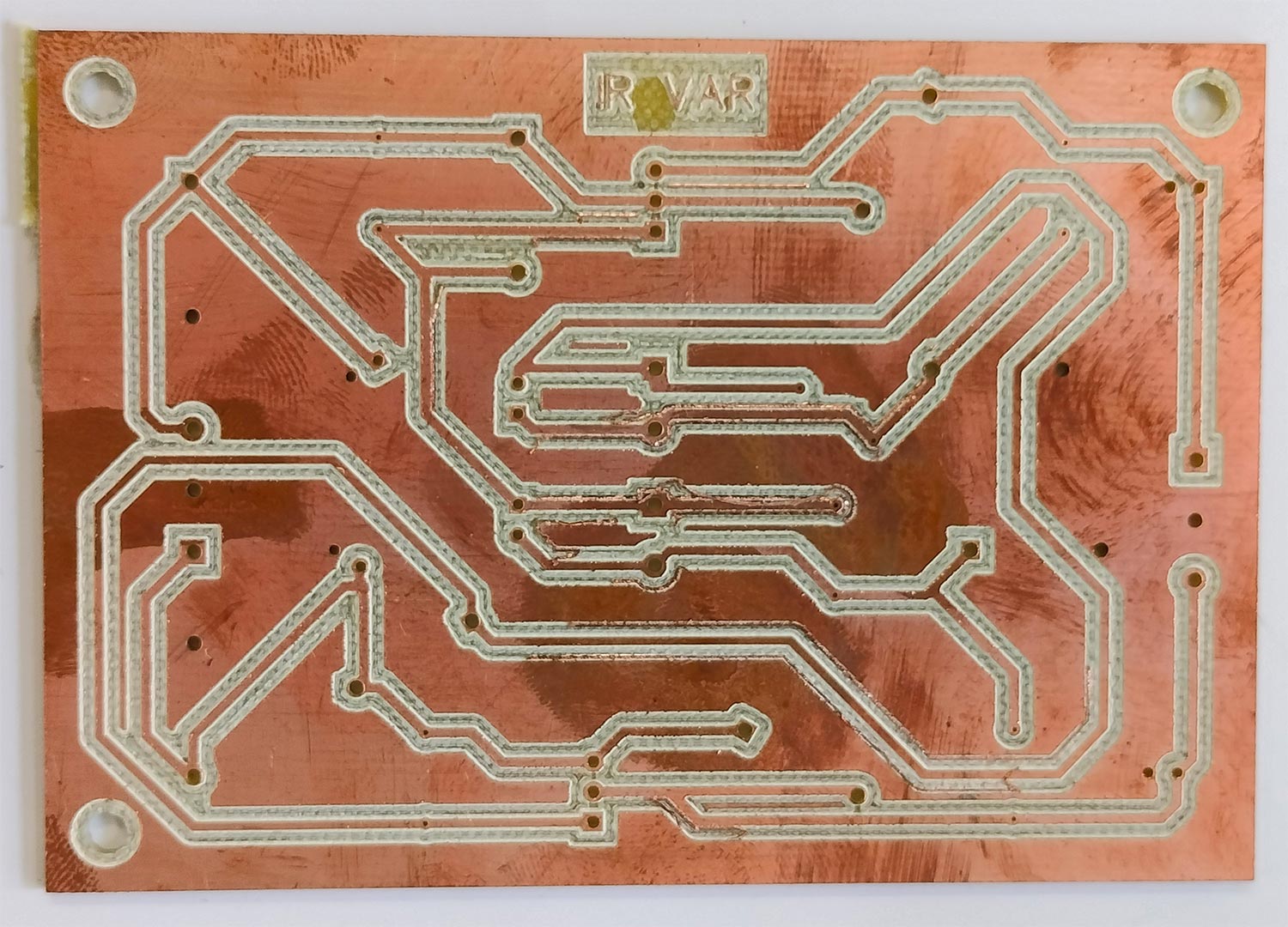
A printed circuit board (PCB) fabricated in the prototyping machine
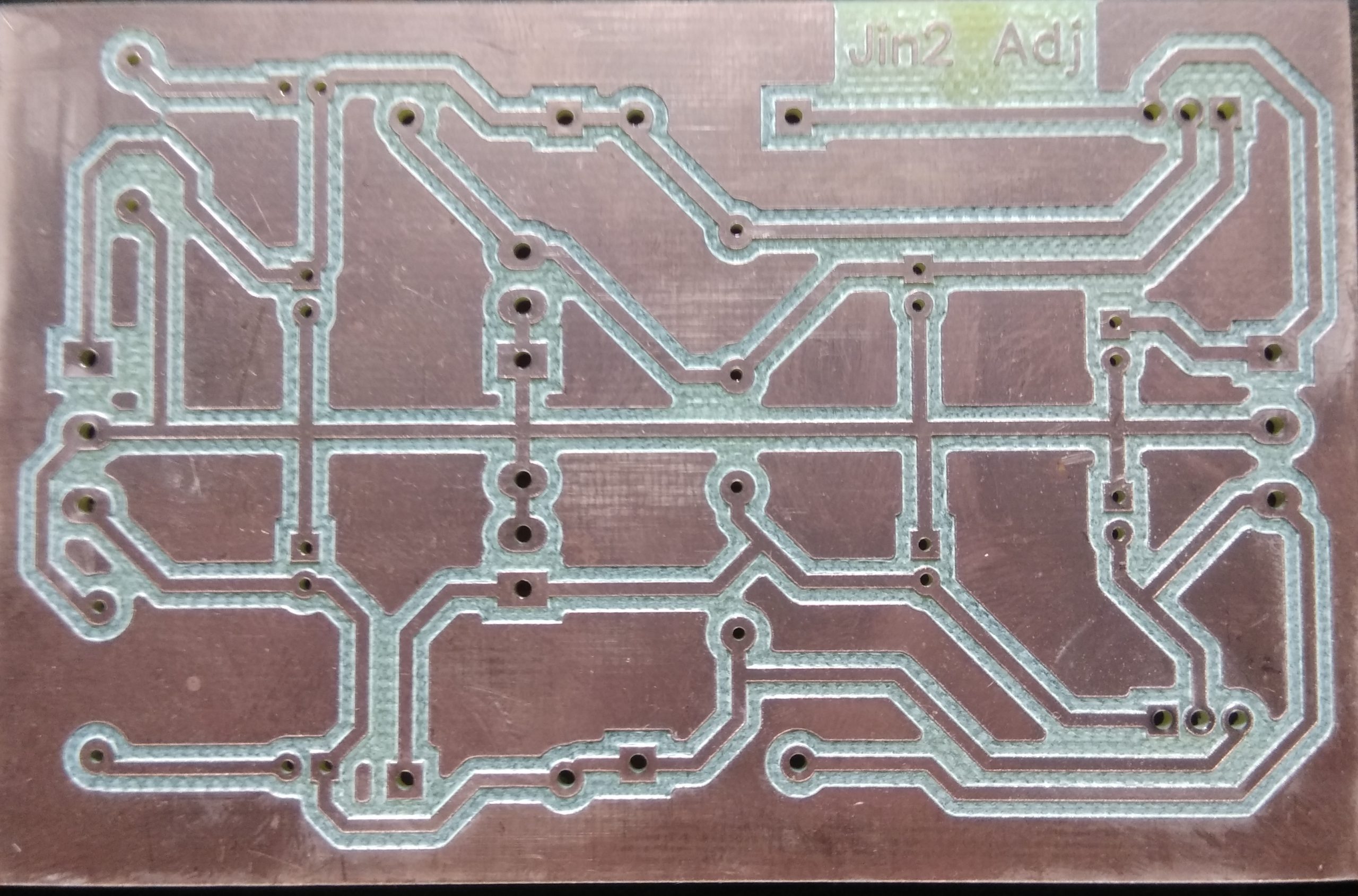
A PCB fabricated in the prototyping machine
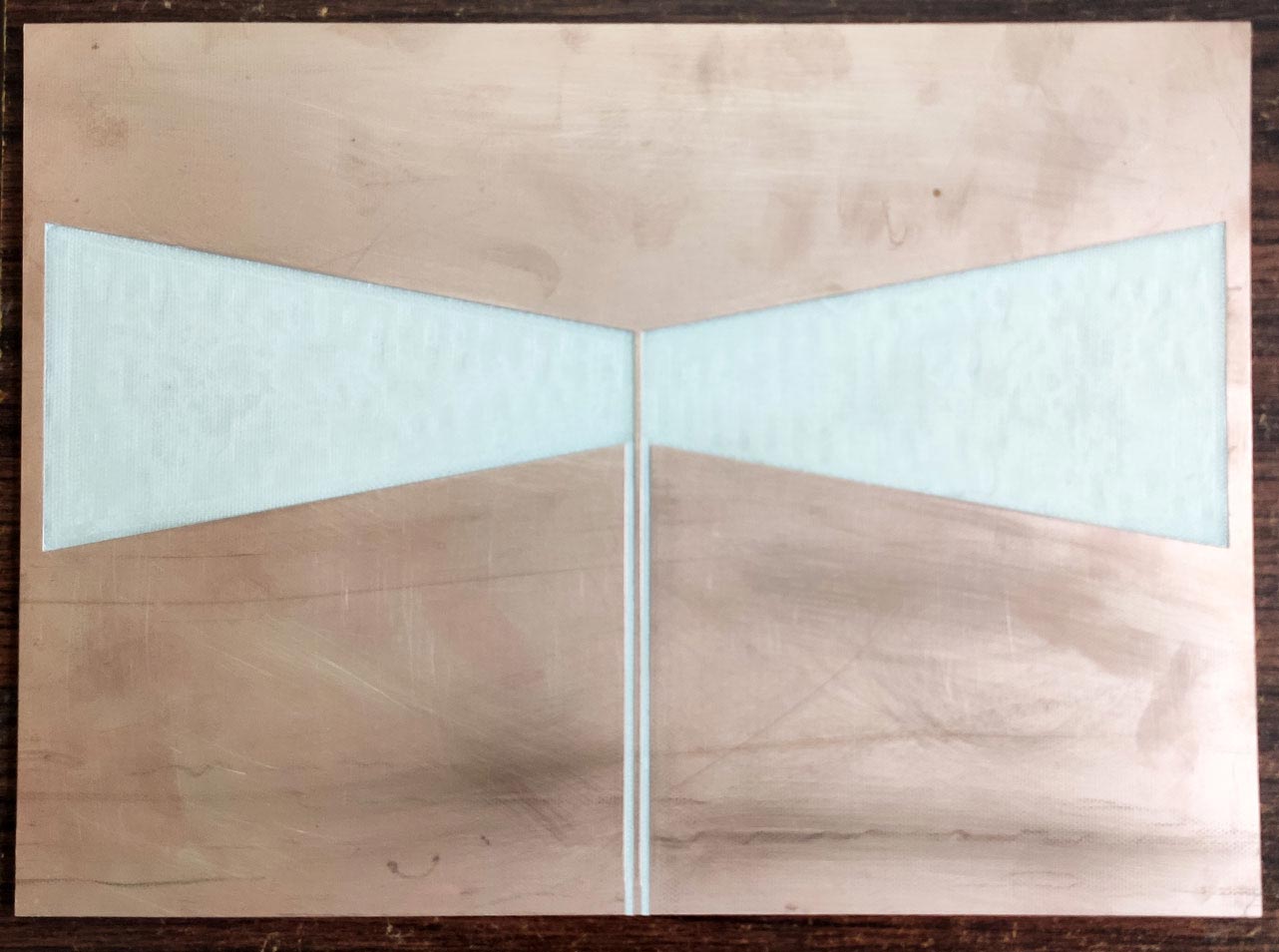
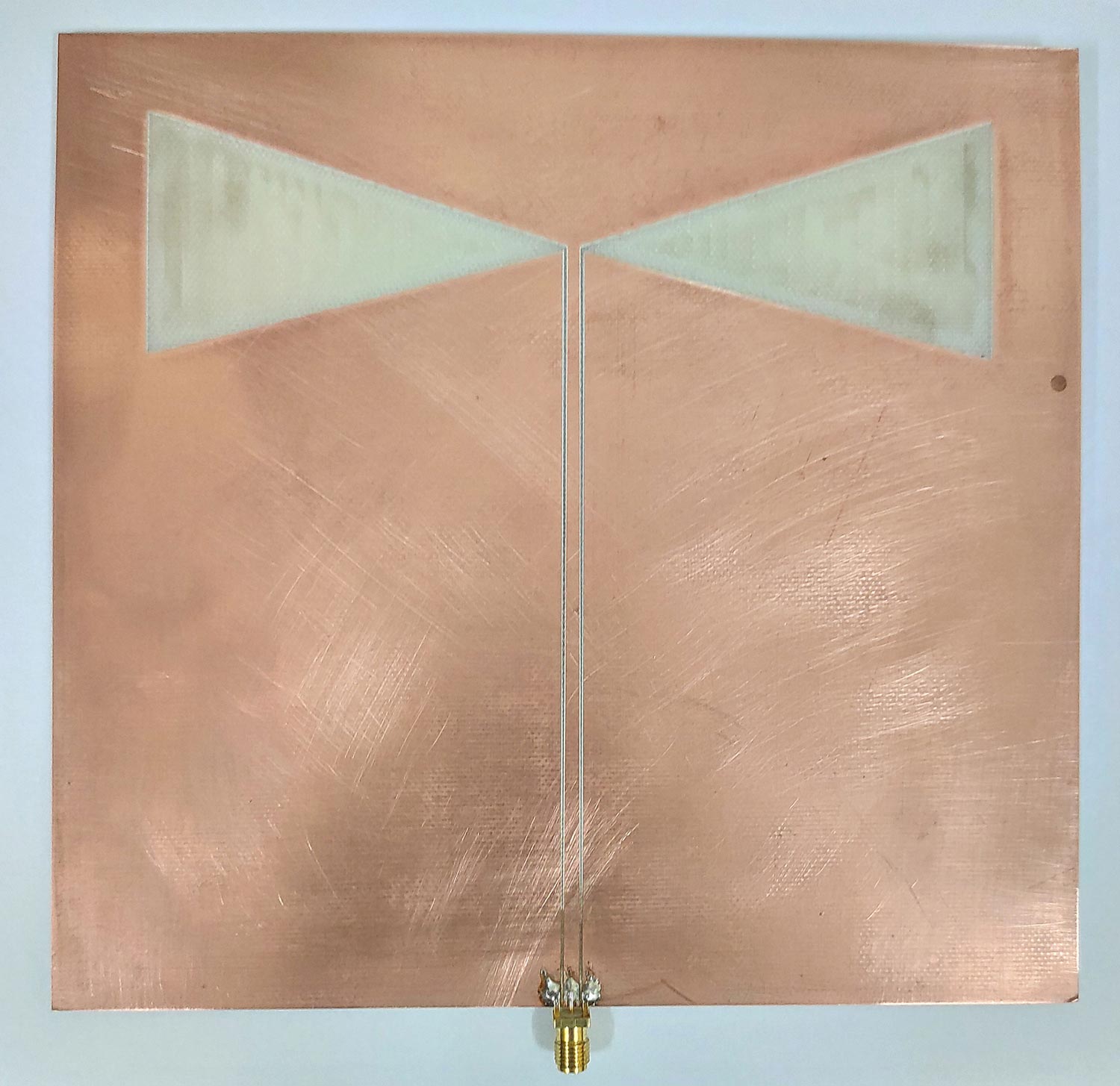
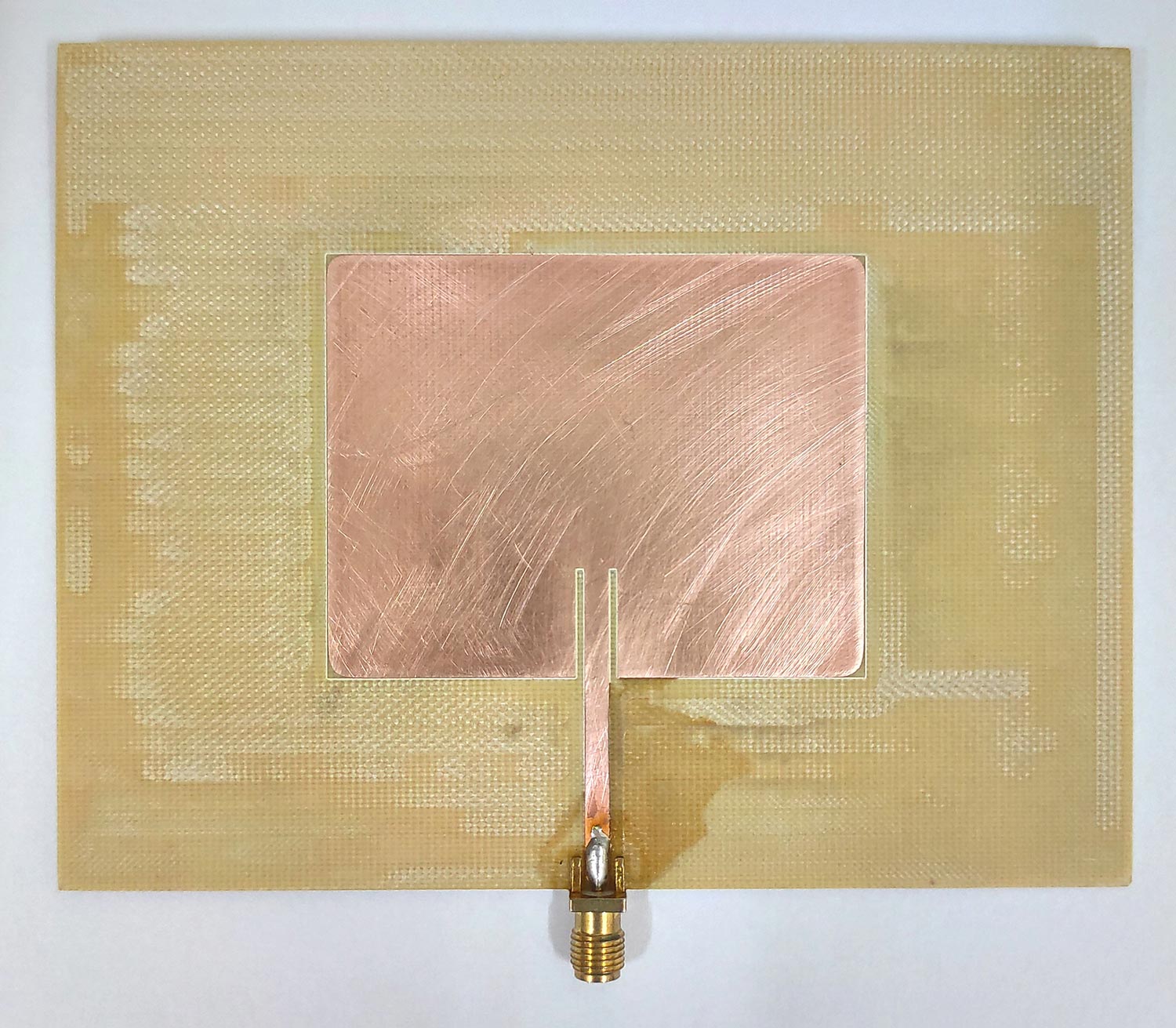
An antenna fabricated in the prototyping machine
An antenna fabricated in the prototyping machine
An antenna fabricated in the prototyping machine
For rapid prototyping, 3D printers gives better alternative in speeding up product development cycles over most of the costly solutions and reduces the manufacturing costs.
Ultimaker 3 Dual Extruder 3D Printer
Ultimaker 3 Dual Extruder 3D Printer can be used in any research laboratory efficiently for the developments of blocks, enclosers for circuit housing, and many more. With the help of software, the details and printing speed can be selected by the user. It’s userfriendly software solution allows us to use it efficiently without much prior knowledge of the machine. The machine is compatible with industry standard CAD file outputs,like STL, 3MF, and OBJ files.
Faculty members, researchers and students of other departments like Electronics, Information Technology, Physics etc. have also fabricated their designs in the 3D printer.
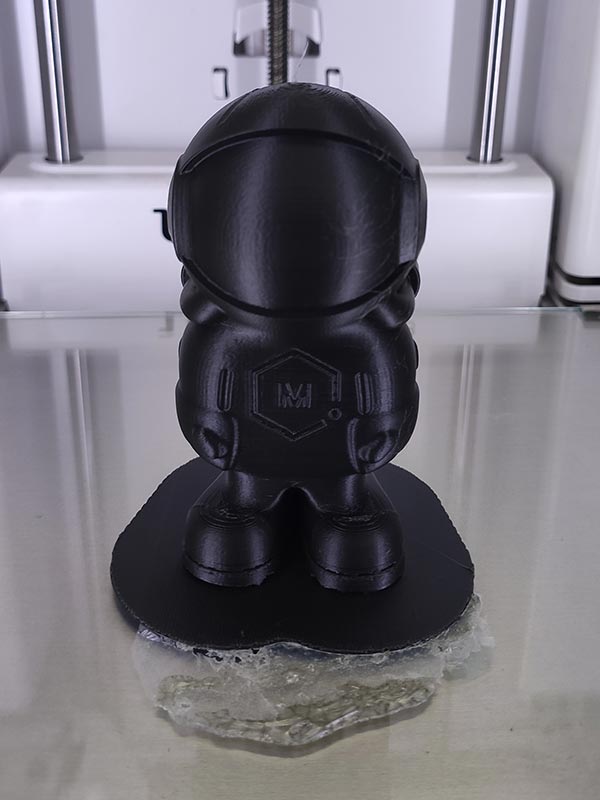
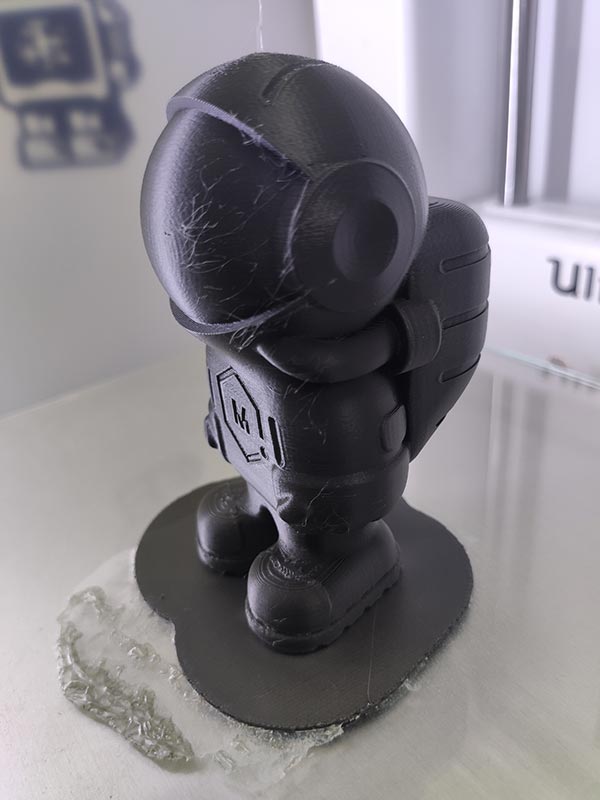
A model of an astronaut fabricated in the 3D printer
A model of an astronaut fabricated in the 3D printer
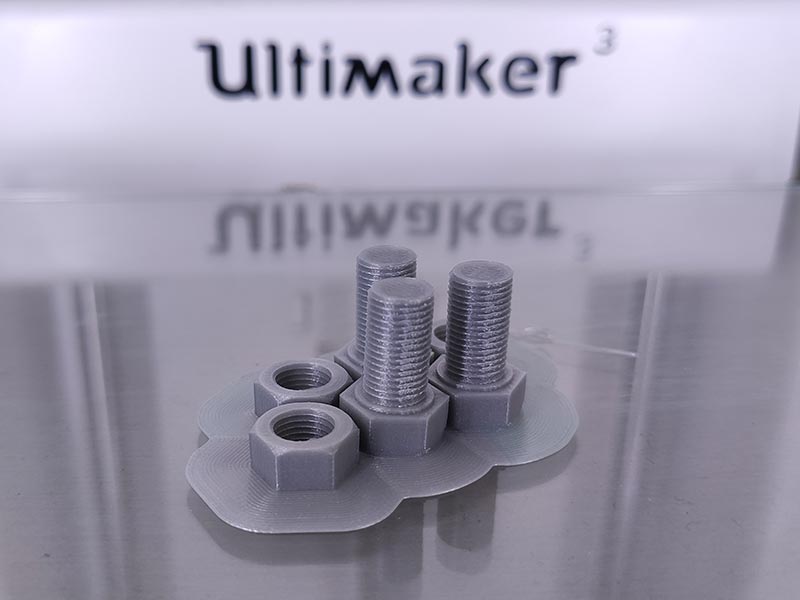
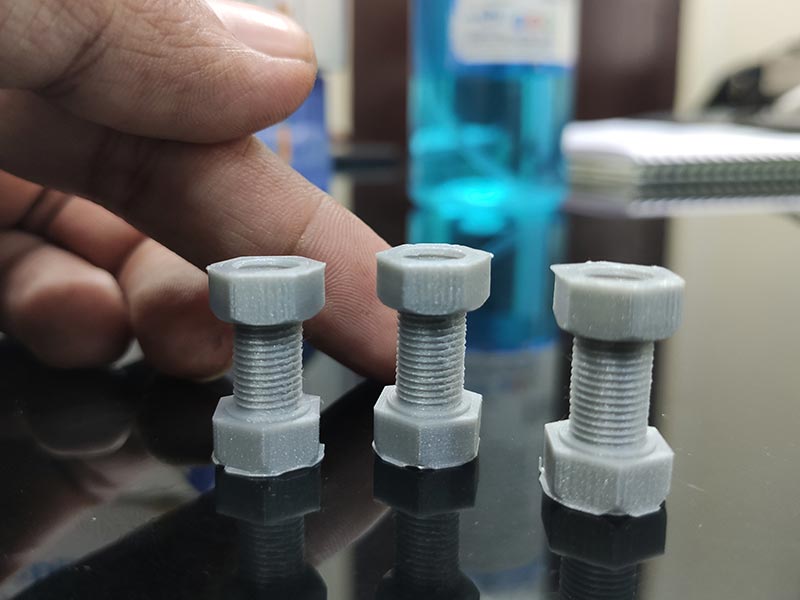
Plastic nuts & bolts fabricated in the 3D printer
Plastic nuts & bolts fabricated in the 3D printer
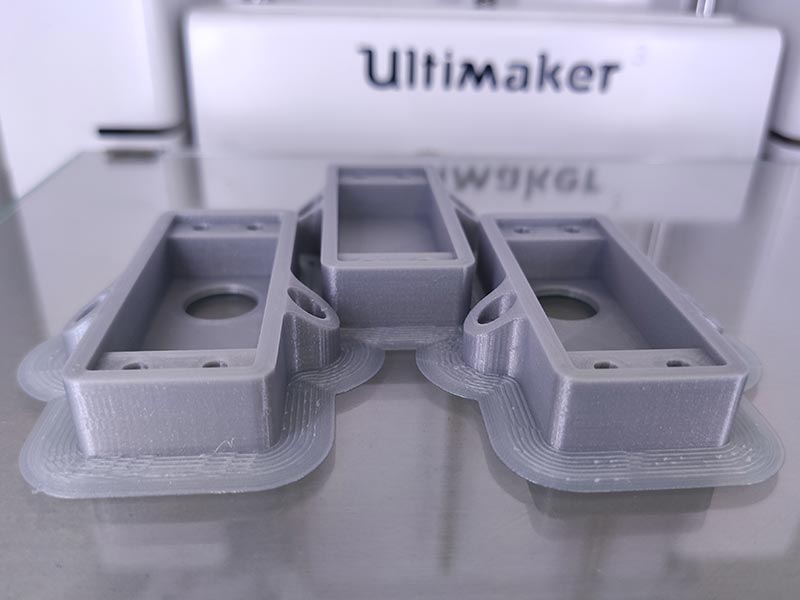
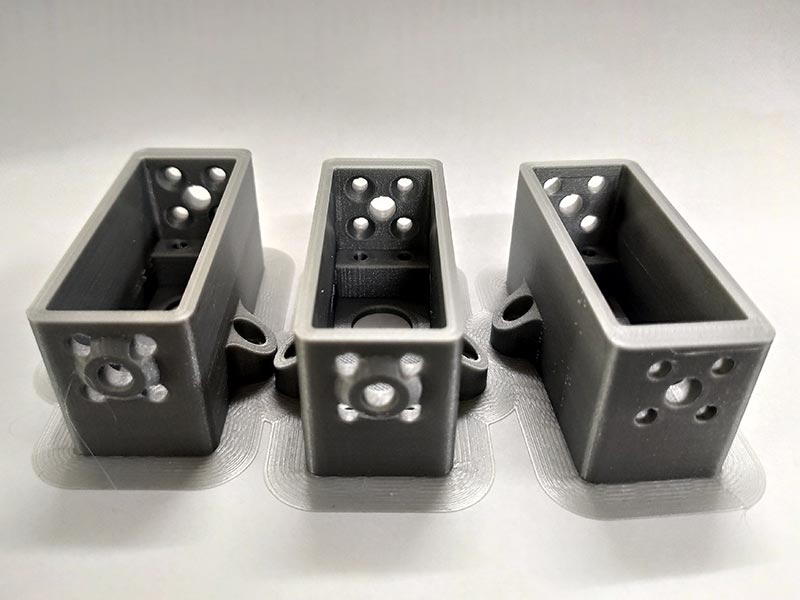
Parts of a robot fabricated in the 3D printer
Parts of a robot fabricated in the 3D printer
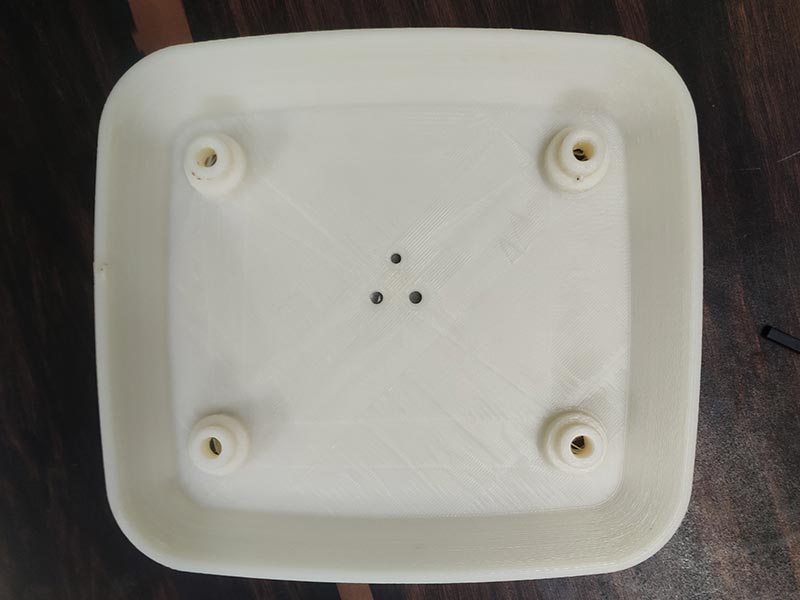
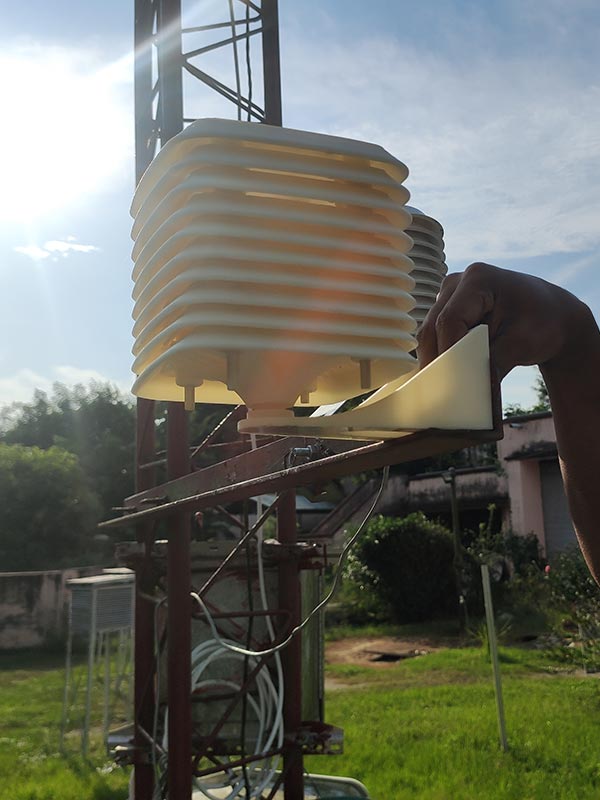
A stevenson screen was also fabricated using the 3D printer in the department. The stevenson screen housing a IoT based temperature-humidity data logging system has since been installed at the Meteorological Science Department, Guwahati. The arrangement provides shelter to a real-time temperature and humidity measurement system against precipitation and direct heat radiation from outside sources.
A part of the stevenson screen fabricated in the 3D printer